


Literatur
Anti Opfer
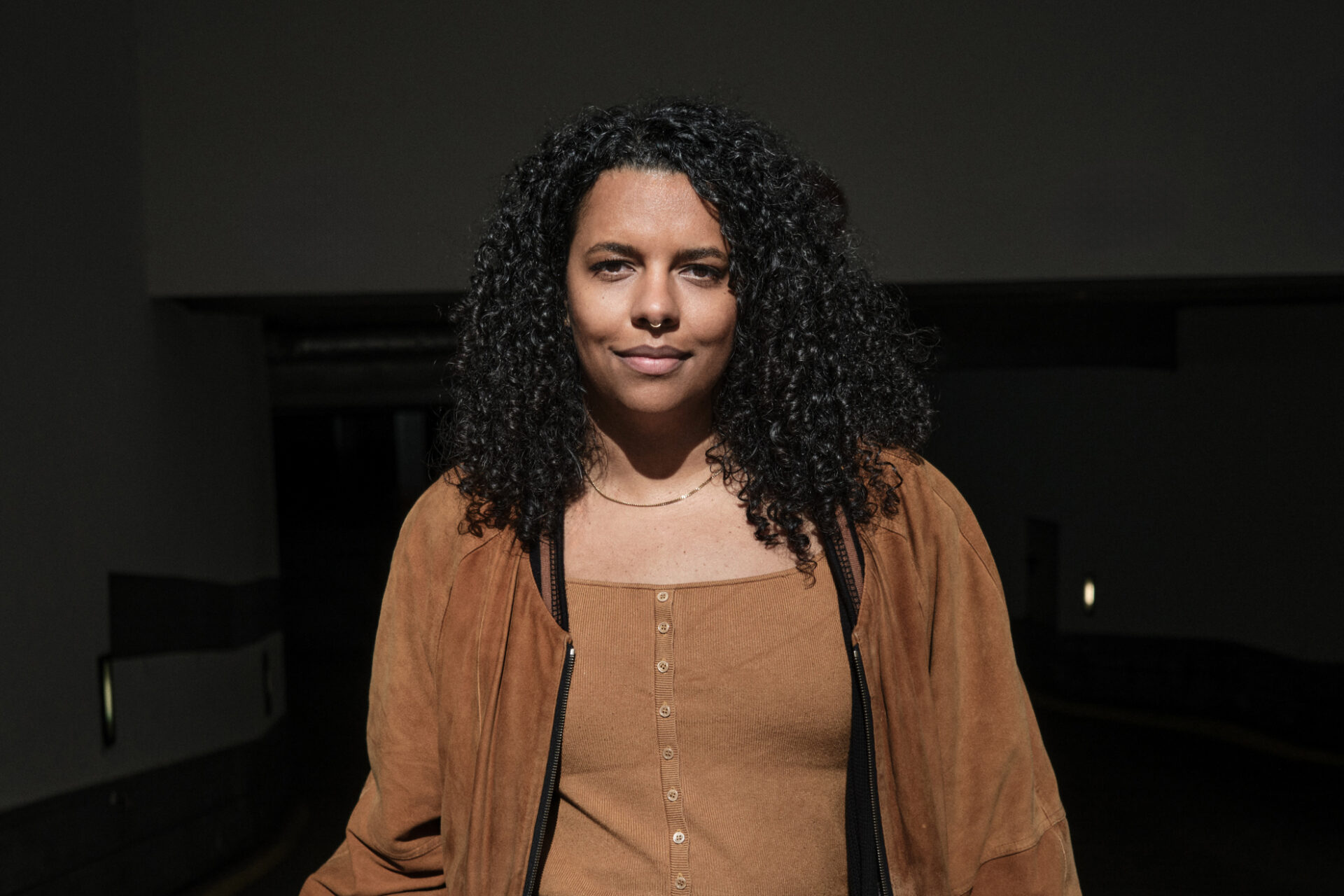
Book presentation with Alice Hasters
Next performance:
-
Fri 2026-11-27, 20:00Admission: €8 / €5 Tickets
How do we find common ground when our gazes harden and vulnerability is no longer recognised? How do we find clarity when essential concepts are being distorted?
In her third book, following Was weiße Menschen nicht über Rassismus hören wollen, aber wissen sollten (2019) and Identitätskrise (2023), Alice Hasters examines the evolution of the term “victim” and the resulting shift in public discourse. Increasingly, the word “victim” no longer refers to people who have suffered injustice, but to those who are seen as disrupting harmony, being overly sensitive, bringing others down or trying to assert superiority over them. Hardness towards others is increasingly regarded as desirable. And while victims are held to impossibly high standards, powerful alliances rooted in patriarchal complicity are making our world a worse place.
Alice Hasters describes a cultural shift that is by no means coincidental with the rise of authoritarianism and fascism. What happens to a society in which sensitivity is considered elitist and the law of the strongest is seen as authentic? With a sense of intellectual urgency, Alice Hasters counters current distortions of public discourse with a call to analyse actual power structures, opposing the new proto-fascist glorification of toughness with the political power of solidarity and connection. In a conversation moderated by Dr. Anna Hankings-Evans, she presents her book, published in April this year, Anti Opfer. Warum wir Verletzlichkeit verachten, at Ballhaus Naunynstraße.
Everywhere, people are talking about victims. Some become victims, while others portray themselves as such. There are the victims of climate change and the victims of high petrol prices; there are the victims of racist violence and those who claim to feel “threatened by foreigners”. The word evokes such strong emotions and has become so ubiquitous that we might be tempted to shut our ears to all the whining. Yet doing so risks suppressing our own capacity for nuance and our sense of justice. This is a dangerous process of obfuscation and dehumanisation. How can we regain clarity, and with it, the energy we need to live in solidarity with one another?