

Black Berlin Black – Widerstand
When Artists Refuse
Lecture by Quinsy Gario

The high-profile demands of formerly colonized countries are having an impact: major ethnographic museums are currently wrestling with the question of what to do with collections acquired through colonial expropriation or unequal power relations. On the one hand, this involves the question of restitution, but on the other hand, it also involves reinterpretations of museum holdings: for colonization detached people and things from their cultural, social, political, and spiritual contexts, and recategorized them. This categorization was an often successful attempt to destroy the connections between heritage, ancestors, and living community. Today, museums are trying to answer the colonial void that this has created by opening themselves up to artists: They should help to make sense of the un-sensed. Many artists dig deep into museum collections and then present critical, stimulating, or provocative interventions. But what happens when the artists are not invited but still intervene? When the artists refuse to make a case for the continued existence of these institutions? What happens when the artists cultivate relationships with this heritage outside of the ethnographic-museum context?
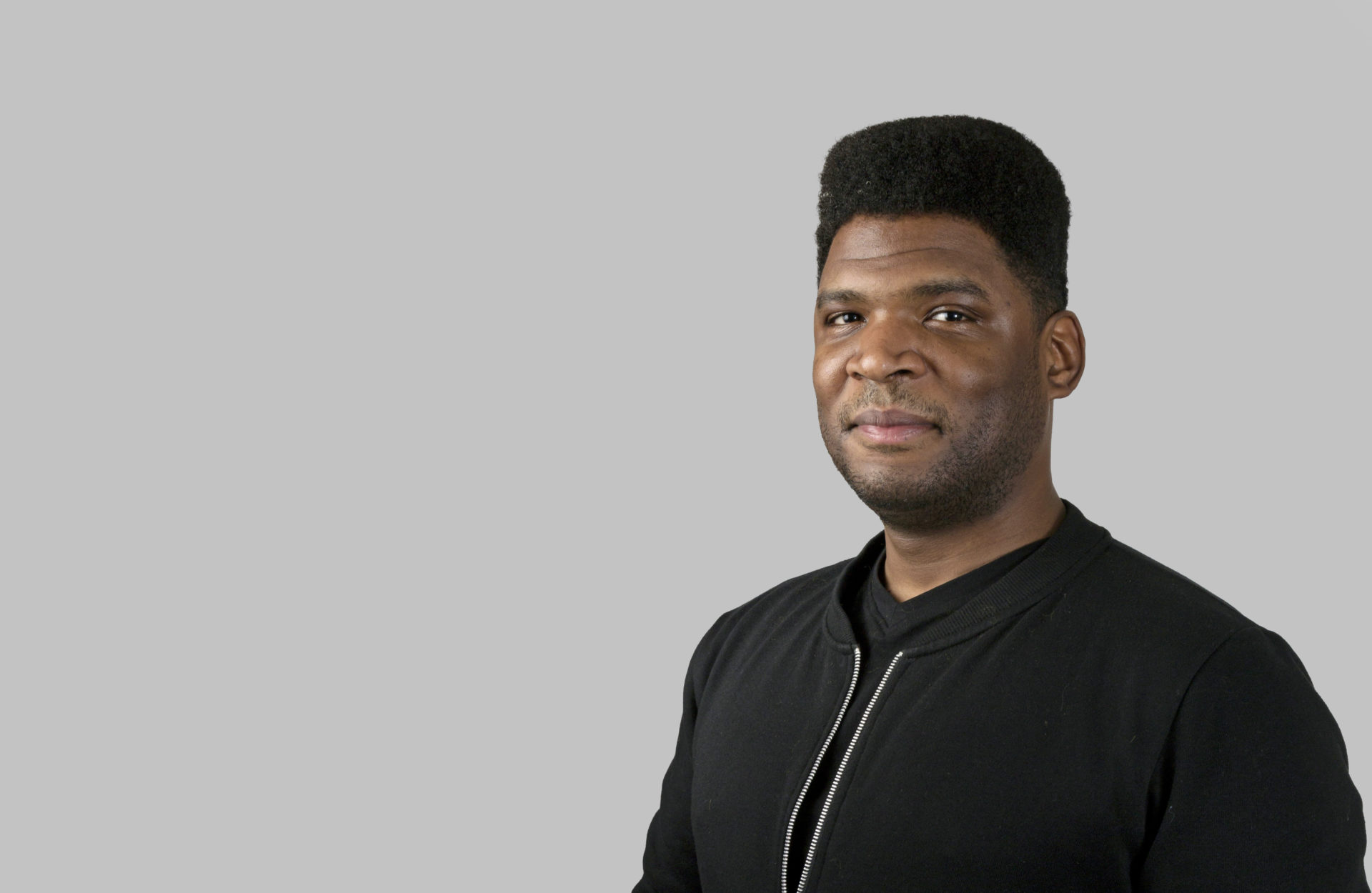
Quinsy Gario, a performance poet, artist, and cultural scholar widely acclaimed in the Netherlands for his work Zwarte Piet Is Racisme, outlines a Black, ephemeral, artistic practice for shaking seemingly set-in-stone power relations in his lecture developed for the Black Berlin Black – Widerstand festival. Using his own travels to Germany, specifically Berlin and Munich, as a starting point, he invites us to consider how Black subjectivity can be centered when engaging with colonial legacies and ethnographic museums.