


Das Auge des Zyklopen ist rund - wie ein Kamera-Objektiv. Wer das Auge lenkt, herrscht!
Zé de Paiva lässt in seinem Regiedebut am Ballhaus Naunynstraße seine Erfahrungen als Schauspieler, Tänzer, Fotograf und Videokünstler zusammenfließen: In einer intermedialen Performance sucht er - gemeinsam mit der Tänzerin Nasheeka Nedsreal - die postkoloniale Bildordnung zu verzerren.

Sie kamen aus Neugier, denn die Stadt war ein Versprechen. Einige suchten hier Zuflucht vor der Gewalt patriarchaler Gesellschaften, denn Berlin versprach ihnen Freiheit, die Möglichkeit des freien Selbstentwurfs. Oder schufen die, die da kamen, dieses vielversprechende Berlin?
In Amigues Adios von Bishop Black begeben sich fünf Performer*innen auf die Suche nach dem Versprechen Berlins, nach der Freiheit des Zusammenseins und zum Ort für ein Leben jenseits der konservativen Grenzen von sexual identity und racial identity.
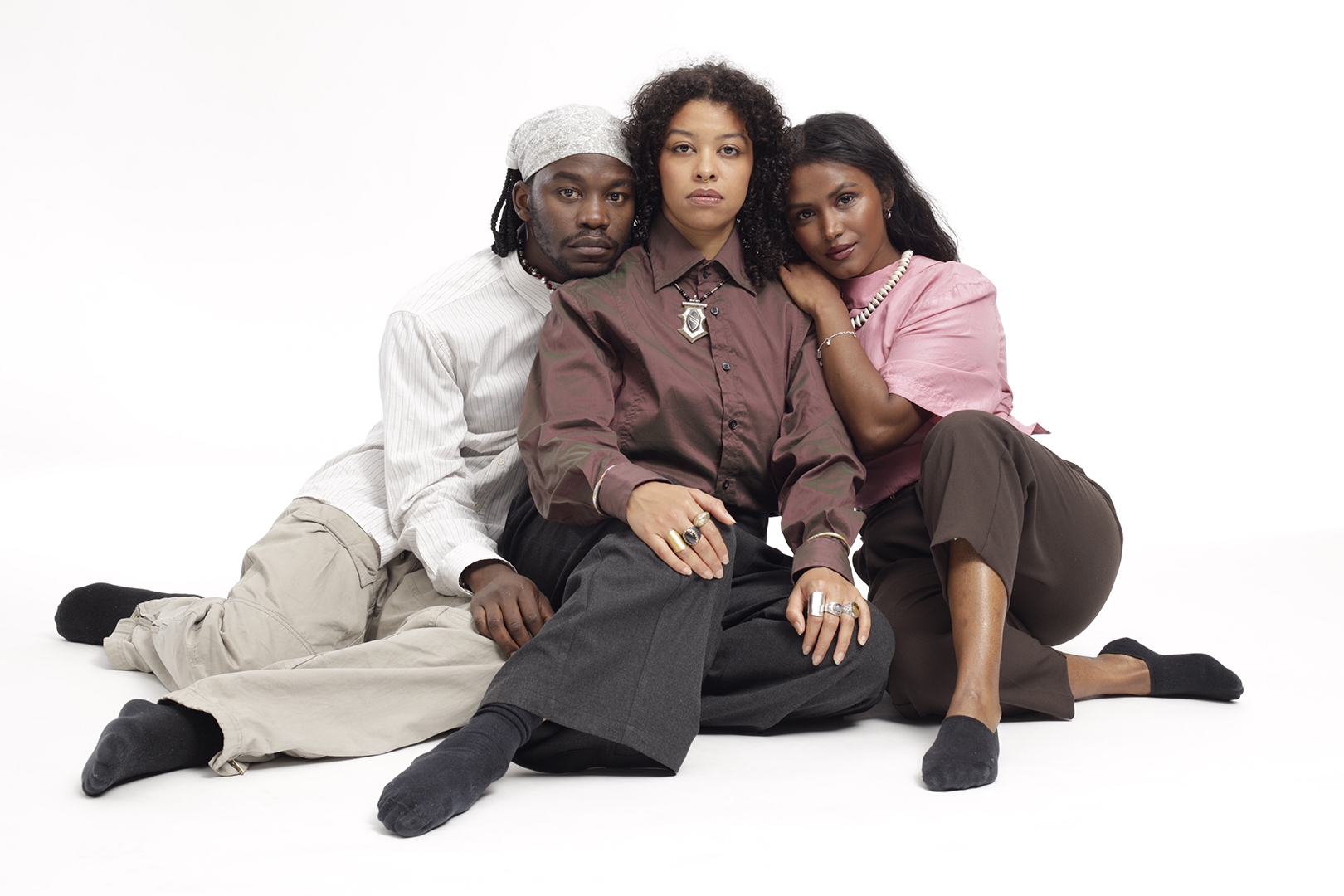
In Into the Chronosphere verweben Sisi Bo’wale und sein Team, Performance, Musik, Poesie und psychodelische Bilder zu einer augenzwinkernden, queeren, afrofuturistischen Collage. Im Zentrum stehen die Bedeutung von Zeit und der Versuch der Protagonist*innen, diese aus ihrer kolonialen, auf Verwertung zielenden Linearität zu lösen.
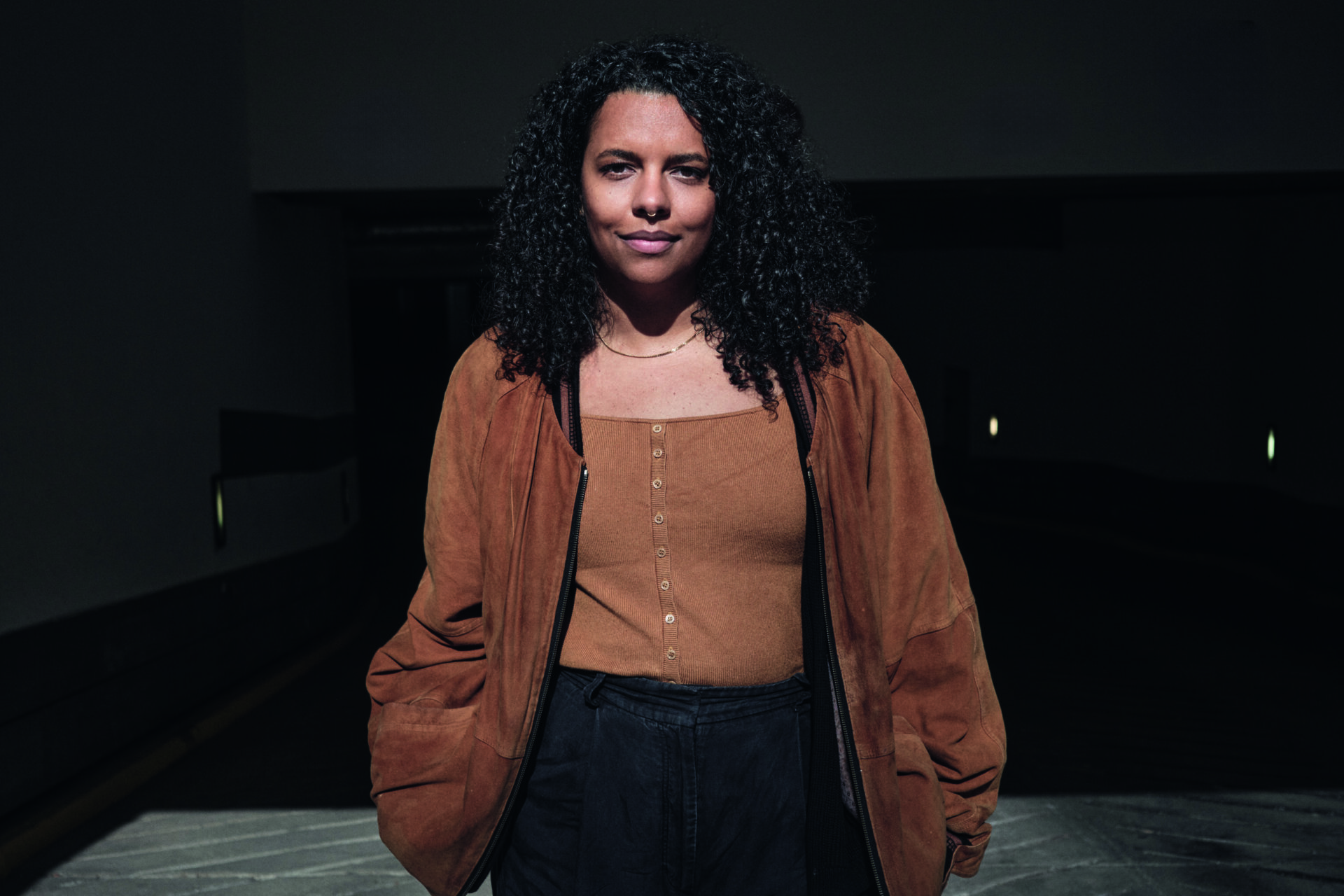
Alice Hasters hat sich in ihrem dritten Buch die Entwicklung des Begriffs „Opfer“ und damit die Verschiebung des Diskurses angeschaut: Denn immer häufiger sind mit dem Begriff „Opfer“ nicht Menschen gemeint, denen Unrecht widerfahren ist, sondern solche, die die Harmonie stören, die als verweichlicht gelten, die andere herunterziehen oder sich über sie stellen wollen. Härte gegen andere gilt zunehmend als erstrebenswert – und während an Opfer unmenschlich hohe Ansprüche gestellt werden, verändern mächtige Bündnisse patriarchaler Komplizenschaft unsere Welt zum Schlechteren.

Der Körper ist das Medium, um in immer neue Welten vorzudringen. Der Körper ist unterdrückt, der Körper ist frei. Natasha Vergilios Kunst besteht darin, mit der Fliehkraft der eigenen Körperbewegung in neue Räume vorzustoßen, für sich und für andere – nun zeigt sie Gira, ihre Porträtperformance am Ballhaus Naunynstraße!

Ausgehend von seiner Erfahrung, im Berlin der 1980er und 90er Jahre aufgewachsen zu sein, unternimmt der Tänzer und Choreograf Raphael Moussa Hillebrand den Versuch, die eigene Lebenserfahrung in eine Form zu bringen, so dass die nächste Generation und das eigene Kind daran anknüpfen können.

In Arrival of the Village begibt sich die dokumentarisch arbeitende Choreografin Magda Korsinsky gemeinsam mit ihrem Team auf die Suche nach veränderten Beziehungen: Denn das alte Modell der heteronormativen Kleinfamilie bringt Rollen hervor, die oft isolieren, erschöpfen oder abhängig machen. Anerkennung, Lust, Selbstbestimmung und Gleichberechtigung bleiben auf der Strecke. Und wie kann mensch Vorbild sein, wenn sich so vieles falsch anfühlt? Wie können wir Formen von Familie erweitern und kollektive Fürsorge, gemeinsame Verantwortung und wechselseitige Empowerment leben?